
Blog
Rice cooking tips - how to cook each variety
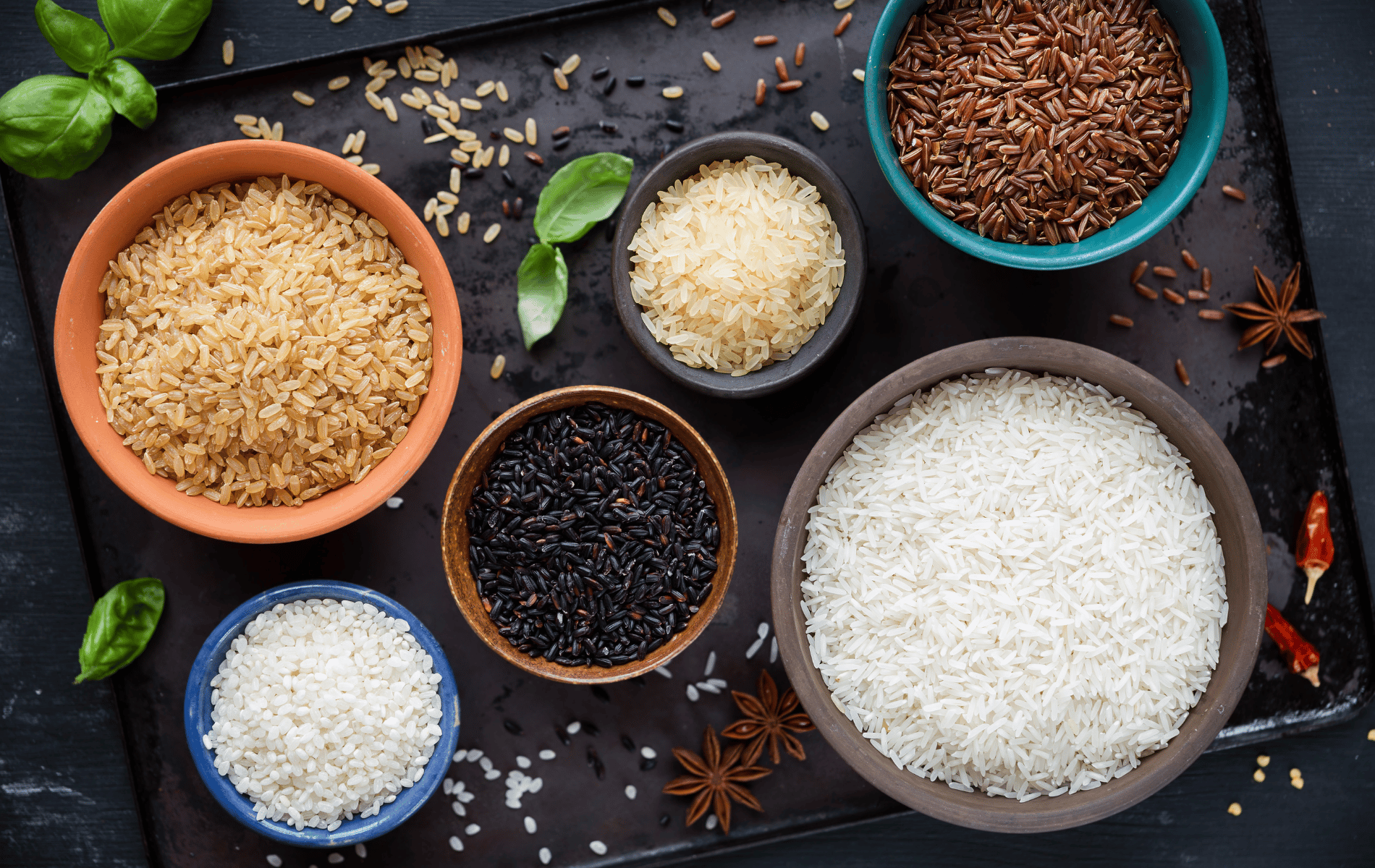
Cooking rice is one of the recurring challenges of home gastronomy. Even the most experienced home cooks sometimes hesitate when it comes to the steps that guarantee perfect results. The task is made slightly harder by the fact that nowadays shops offer an overwhelming variety of rice types – and each requires a different cooking method.
In this article, we’ve collected the characteristics and cooking tricks of the most popular rice types, so you’ll never have to stand puzzled over a steaming pot again.
White, brown, basmati, jasmine…
Although we highlighted four types in the title, in reality, more than 40,000 varieties of rice are known worldwide – of which we use only a fraction in everyday cooking. Beyond their taste, rice types differ in color, shape, and size, as well as in professional classifications such as length, milling process, and growing region.
This incredible diversity also shows in the pot – every type of rice must be cooked differently. Below, we’ve collected the most popular ones for you, paying special attention to brown rice, which is one of the key, versatile ingredients in the POLCZ kitchen.
Cooking by Rice Type
White Rice

Since it is sold milled, it contains little protein, fat, vitamins, and minerals. It mostly consists of starch and protein, and it has a high glycemic index.
White rice is without doubt the most widespread type and a staple food, with nearly 500 million tons produced worldwide each year. Thanks to processing, it has a longer shelf life, cooks faster, is easier to transport, and can be used in almost any rice-based dish. Its consumption, however, is less healthy, as two nutrient-rich components – bran and germ – are removed during production.
How to cook it: Wash 1 cup (250 ml) of white rice thoroughly. Cook it in double the amount of water (500 ml). (For fluffier grains, sauté the rice in hot coconut oil before cooking.) Add water, salt to taste, stir, and boil uncovered for 2–3 minutes, then cover and cook for another 1 minute. Turn off the heat, stir in a little more coconut oil, cover with a kitchen towel, and let the rice absorb all the liquid (12–15 minutes).
Basmati Rice

Compared to traditional white rice, it contains less starch and three times more fiber. It is also rich in vitamins and minerals, with the lowest glycemic index among rice types.
Basmati rice is a staple in Indian cuisine, but thanks to its nutritional values, it’s becoming increasingly popular elsewhere too. Grown at the foothills of the Himalayas, these fragrant, aromatic grains are rich in vitamins and fiber, making them beneficial to health. This noble variety comes at a higher price, but if you’re preparing Asian or Indian cuisine, it is the best choice among long-grain rice types.
How to cook it: Pay attention to ratios. For 1 cup of rice, use 1.5 cups of water. Rinse thoroughly under cold running water, then soak for at least 30 minutes. In a medium pot, boil water, add salt to taste. Drain the rice and transfer it to the boiling water. Cook on high until boiling, then cover and reduce to the lowest heat. Do not stir, just cook for 11 minutes, then set aside for another 5 minutes before serving.
Jasmine Rice

Jasmine rice, often regarded as the world’s finest variety, is rich in vitamins A and B, as well as antioxidants. However, it has the highest glycemic index among rice types, so it’s not recommended for certain diets.
This fragrant rice releases a mild floral aroma while cooking and is a good alternative to basmati. Technically, it’s a subspecies of basmati, though with less favorable carbohydrate values. Originating from Thailand, its grains are shorter and thicker. Cooked, it has a mild sweetness, and when steamed, the grains soften and stick together – perfect for dishes eaten with chopsticks.
How to cook it: Place the rice in a sieve and rinse under cold water before cooking. Important: do not soak this type, as it will become mushy. Use 2 cups of water for every 1 cup of rice. Traditionally, it is cooked in just enough water for the grains to absorb. Place the rice in cold water, bring to a simmer over medium heat, cover, and cook for 15 minutes. Then fluff with a fork and let rest covered for another 10 minutes.
Brown Rice

Brown rice is not only rich in fiber but also contains plenty of vitamins, minerals, and protein – such as vitamin E, B vitamins, calcium, zinc, and folic acid. It supports digestion, detoxifies, and has a beneficial effect on the nervous system. Its glycemic index is low.
The secret of brown rice lies in its processing: it is left unpolished, which means the nutrient-rich bran and germ are preserved. As a result, it has high levels of iron, selenium, magnesium, and vitamins. It is energizing and supports fat-burning processes, making it a cornerstone of low-calorie and insulin-resistant diets. The good news: brown rice can replace any other rice variety, allowing you to choose a nutrient-dense, complex carbohydrate option anytime.
At POLCZ, we exclusively use brown rice in our cooking. This superfood also appears in other forms in our pantry – for example, as flour. Like all rice, it is naturally gluten-free, which makes it a perfect fit for our renewed ready meal selection. Our latest product of the month: Spanish Paella with Chicken – Spain’s national dish, rich in corn, peppers, tangy lemon, and colorful spices. A real flavor-packed culinary journey for summer!
How to cook it: Rinse the rice under cold running water, then soak for at least 1–2 hours to reduce cooking time. Cook 1 cup of soaked rice in 2–3 cups of boiling water. Stir, bring to a boil uncovered, then cook over medium heat for 18–22 minutes. Drain excess water, let it rest for 5–10 minutes, then fluff with a fork. For stronger flavor, you can sauté it in oil before cooking.
Definitely try it in our hearty Spanish specialty! We hope that from the very first bite, you’ll experience the authentic Spanish flavors – full of rich aromas, fresh vegetables, and, of course, POLCZ-quality natural ingredients.
